Social media and digital advertising have become essential parts of modern business growth. Companies use platforms such as Facebook, Instagram, and Google Ads to reach potential customers, generate leads, promote products, and increase brand awareness. However, managing multiple advertising platforms separately can create challenges, especially when businesses need to track campaign performance, manage leads, and analyze marketing data.
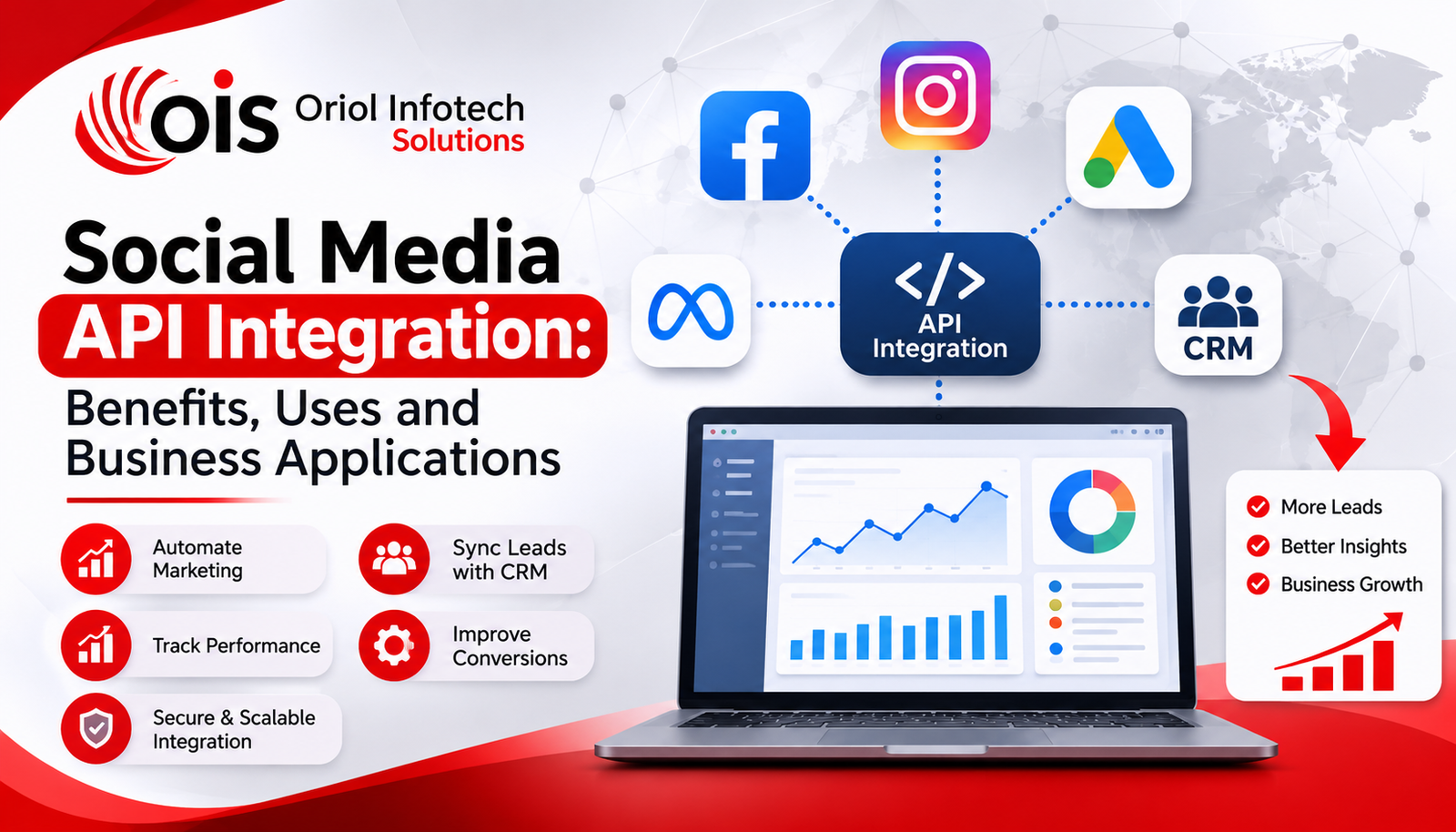
This is where Social Media API Integration becomes valuable. It allows businesses to connect social media platforms and advertising systems with their websites, mobile applications, CRM software, and other business tools. Through API integration, companies can automate repetitive marketing activities, synchronize leads, monitor campaign performance, and make better decisions using centralized data.
With the right integration strategy, businesses can reduce manual work and create a more connected digital marketing ecosystem.
In this guide, we will explore what social media API integration is, how it works, its major benefits, common applications, and how businesses can use it to improve marketing operations.
What Is Social Media API Integration?
Social Media API Integration is the process of connecting social media platforms and advertising services with external applications or business systems through Application Programming Interfaces (APIs).
An API acts as a communication bridge between two software applications. It allows them to exchange information and perform specific actions according to the permissions and capabilities provided by the platform.
For example, a business running Facebook and Instagram advertisements may receive leads through Meta Lead Ads. Instead of manually downloading those leads and entering them into a CRM, a suitable API integration can automatically transfer permitted lead information into the company's CRM system.
Similarly, Google Ads API integration can help businesses retrieve campaign information, access advertising performance data, manage supported advertising operations, and connect conversion information with other systems.
Common platforms and technologies used in social media API integration include:
Meta Graph API for supported Facebook and Instagram data and operations.
Facebook Lead Ads API for accessing permitted lead information.
Instagram Marketing API for supported Instagram business marketing operations.
Google Ads API for accessing and managing supported Google Ads account data and operations.
REST APIs and webhooks for communication between applications and automated event-based workflows.
The exact functionality depends on API permissions, account eligibility, platform policies, and available endpoints.
How Does Social Media API Integration Work?
Social media API integration connects advertising platforms with the software and systems a business already uses. It establishes a controlled method for transferring information and automating selected operations.
A typical integration workflow follows these steps:
1. Connect the Advertising Platform
The first step is connecting the required platform, such as Meta or Google Ads, using its supported API. The integration may require account authorization, application credentials, access tokens, and approved permissions.
2. Retrieve the Required Data
Once authorized, the application can request permitted information, such as advertising leads, campaign insights, clicks, impressions, or conversion data.
3. Transfer Information to Business Systems
The retrieved information can be sent to a connected CRM, database, website, mobile application, reporting tool, or business dashboard.
4. Automate Business Workflows
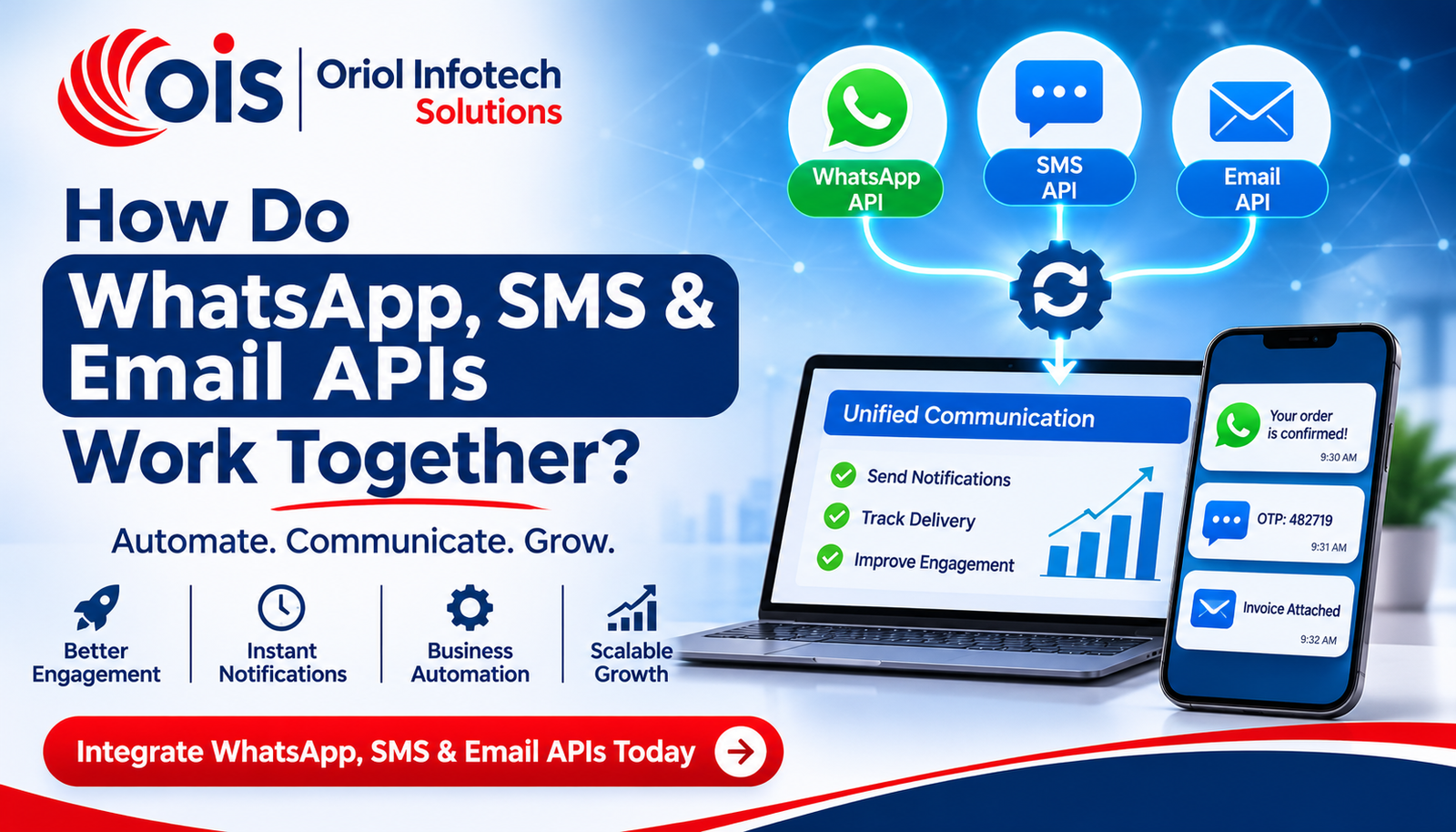
Based on the integration requirements, businesses can configure automated actions. For example, a new advertising lead may be assigned to a sales representative or trigger a follow-up notification through WhatsApp, SMS, or email.
5. Monitor and Analyze Performance
The integrated system can display relevant marketing information through centralized dashboards. Businesses can review campaign performance, lead sources, advertising expenses, and conversion trends.
This workflow helps create a connected system in which marketing information moves between approved platforms and business applications with less manual intervention.
Key Benefits of Social Media API Integration for Businesses
Businesses often manage multiple advertising accounts, marketing tools, and customer databases. Without integration, information may remain scattered across different platforms.
Social Media API Integration Services help connect these systems and improve marketing operations.
Here are some important benefits.
1. Automate Marketing Campaign Workflows
Manual marketing activities can consume significant time, particularly when teams manage multiple campaigns and advertising accounts.
With marketing API integration, businesses can automate supported workflows and reduce repetitive administrative tasks.
For example, an integrated system can retrieve campaign information, update reporting dashboards, synchronize permitted data, and trigger notifications based on defined conditions.
Automation allows marketing teams to spend less time handling routine data and more time improving campaign strategy, creative content, and audience targeting.
2. Synchronize Leads with CRM Systems
Lead management is one of the most valuable applications of social media API integration.
Businesses running Facebook and Instagram Lead Ads can connect their advertising accounts with a CRM or database. When a new lead is submitted, the integration can transfer the permitted information into the connected system.
Facebook Lead Ads API integration can support workflows such as:
Automatically capturing advertising leads.
Sending lead information to a CRM.
Assigning leads to sales representatives.
Recording lead sources and campaign details.
Triggering follow-ups through WhatsApp, SMS, or email.
Tracking lead status and sales progress.
For example, a real estate company receiving enquiries through Facebook advertisements can synchronize those enquiries with its CRM. The sales team can then review the lead details, assign follow-up responsibilities, and track customer interactions.
This helps reduce manual data entry and makes lead management more organized.
3. Monitor Advertising Performance in One Place
Businesses often use separate dashboards to monitor Facebook, Instagram, and Google Ads campaigns. Switching between platforms can make reporting more complicated.
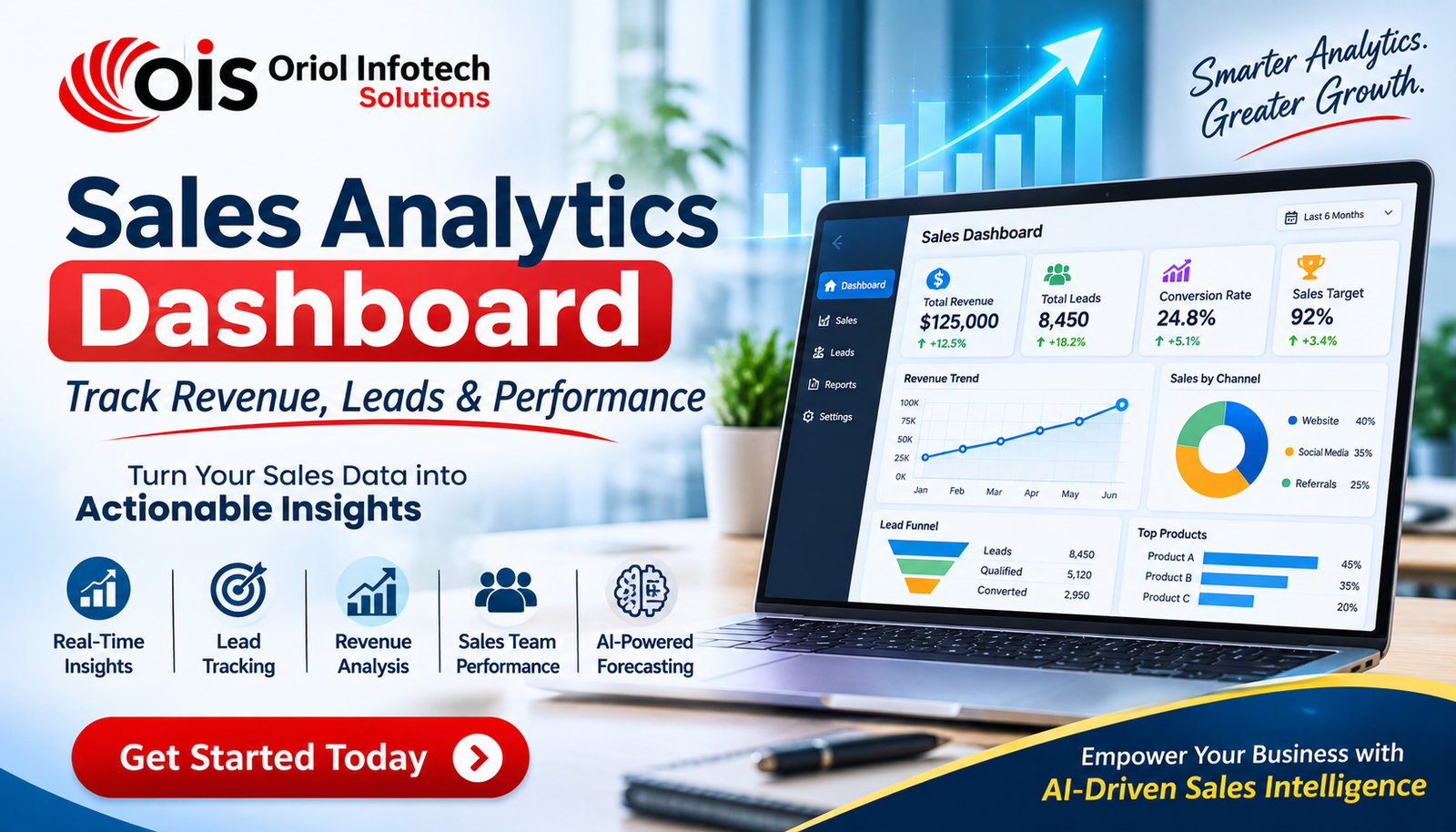
Social media analytics API integration can bring supported campaign information into a centralized reporting dashboard.
Depending on available platform data and integration permissions, businesses can monitor:
A centralized dashboard helps businesses compare campaign results and identify areas that may require improvement.
4. Improve Conversion Tracking
Conversion tracking helps businesses understand what happens after someone interacts with an advertisement.
For example, a user may click an advertisement, visit a landing page, submit a form, or complete a purchase. Tracking these actions helps marketers understand which campaigns contribute to business outcomes.
Facebook Pixel integration, Meta Conversion API (CAPI), and Google Ads conversion tracking can support different parts of the measurement process.
These technologies can help businesses:
Measure important website actions.
Track form submissions and purchases.
Understand campaign conversion performance.
Connect advertising activity with business outcomes.
Improve measurement consistency.
Implementation should follow the relevant platform requirements and applicable privacy and consent obligations. Conversion tracking does not guarantee complete measurement of every user action.
5. Reduce Manual Marketing Work
When marketing data is handled manually, teams may spend time downloading reports, copying lead information, updating spreadsheets, and preparing performance summaries.
API automation for social media marketing can reduce these repetitive tasks by connecting different systems.
For example, a business can create an automated workflow in which new leads are transferred to a CRM, campaign information is updated in a reporting dashboard, and relevant team members receive notifications.
This can improve operational efficiency and help marketing teams focus on higher-value activities.
6. Support Business Growth and Scalability
As a business grows, its marketing operations often become more complex. It may need to manage more advertising accounts, campaigns, locations, products, and sales representatives.
A properly designed custom API integration solution can support changing business requirements by connecting additional systems and automating new workflows.
Scalable integration architecture can help organizations manage larger data flows, improve reporting processes, and reduce dependence on manual operations.
Major Business Applications of Social Media API Integration
Social media API integration is useful across different industries. Its applications depend on the business model, advertising strategy, software environment, and integration requirements.
1. Digital Marketing Agencies
Digital marketing agencies often manage advertising campaigns for multiple clients. Collecting reports from different platforms can become time-consuming.
With Meta and Google Ads API integration, agencies can connect advertising accounts with reporting dashboards and internal systems.
Potential applications include:
Centralized campaign reporting.
Automated performance summaries.
Client-specific dashboards.
Advertising spend monitoring.
Lead synchronization.
Campaign comparison and analysis.
These capabilities can help agencies organize campaign information and improve reporting workflows.
2. E-Commerce Businesses
E-commerce companies use social media advertising to promote products, attract visitors, and generate online sales.
Social media API integration for e-commerce can connect advertising platforms with websites, CRM systems, analytics tools, and business databases.
Common applications include:
Tracking advertising conversions.
Monitoring campaign performance.
Synchronizing customer enquiries.
Connecting product and advertising information.
Analyzing marketing performance.
Supporting reporting and remarketing workflows where permitted.
For example, an online store can use conversion tracking to understand which advertising campaigns generate measurable purchases or other important website actions.
3. Real Estate Companies
Real estate businesses frequently use Facebook and Instagram advertisements to generate enquiries about properties, projects, and services.
With Facebook Lead Ads integration, property-related enquiries can be transferred into a CRM system.
A connected workflow can help businesses:
Capture property enquiries.
Record campaign and lead sources.
Assign enquiries to sales representatives.
Trigger follow-up notifications.
Track lead status.
Review campaign performance.
This can make enquiry management more organized and help sales teams respond through their existing processes.
4. Education and Training Institutes
Educational institutions and training companies use digital advertisements to generate enquiries about courses, admissions, and training programs.
Lead generation API integration can connect advertising forms with student management systems or CRMs.
Possible applications include:
Automatically capturing course enquiries.
Organizing student information.
Assigning enquiries to counsellors.
Sending follow-up notifications.
Tracking admission-related lead sources.
Reviewing campaign performance.
This helps institutions manage advertising enquiries through a more structured process.
5. SaaS Companies
SaaS businesses use digital marketing to generate product sign-ups, demo requests, free-trial registrations, and subscriptions.
Google Ads API integration and Meta API connections can help SaaS companies bring advertising information into their internal analytics and reporting systems.
Businesses can use these integrations to monitor campaign activity, connect conversion information, evaluate lead sources, and understand marketing performance.
6. Startups and Enterprises
Startups and established organizations may use several advertising platforms and internal applications simultaneously.
Custom social media API integration can connect these systems according to their specific operational requirements.
For example, an enterprise may need to connect advertising accounts with its CRM, ERP, data warehouse, and business intelligence dashboard.
A customized integration can help centralize relevant information while supporting access controls and monitoring requirements.
Meta API Integration: Connecting Facebook and Instagram with Business Systems
Meta provides APIs that support different Facebook and Instagram business-related operations.
Meta API integration allows businesses to connect supported platform functionality with websites, applications, CRMs, and other software systems.
Depending on the API, account type, permissions, and platform policies, common use cases include:
Retrieving permitted Facebook and Instagram advertising leads.
Synchronizing lead information with CRM systems.
Accessing supported campaign insights.
Automating selected reporting workflows.
Supporting audience and conversion-related operations.
The Meta Graph API, Facebook Lead Ads API, and Instagram Marketing API serve different purposes. Selecting the right API depends on the required business functionality.
For organizations that rely on social media advertising, a properly configured Meta integration can reduce disconnected workflows and make marketing information easier to manage.
Google Ads API Integration: Automating Advertising Data and Reporting
The Google Ads API allows developers to interact programmatically with supported Google Ads account features.
Businesses can use Google Ads API integration to connect advertising information with custom dashboards, reporting applications, CRM systems, and other business tools.
Common applications include:
Retrieving campaign performance information.
Automating advertising reports.
Accessing supported keyword and ad insights.
Synchronizing conversion information.
Monitoring advertising expenses and performance.
Supporting data-driven campaign analysis.
For example, a business managing multiple Google Ads campaigns can develop a centralized dashboard to review important performance indicators without manually preparing separate reports.
The API can also support selected campaign management operations, subject to account access, API functionality, and platform policies.
Important Features of a Reliable Social Media API Integration Solution
A successful integration should do more than connect two applications. It should provide a reliable, secure, and manageable communication process.
Important features include:
1. Secure Authentication and Token Management
API integrations often require authentication credentials and access tokens. These should be stored and managed securely, with suitable access permissions and renewal processes.
2. Role-Based Access Control
Role-based access control helps ensure that users can access only the information and functions required for their responsibilities.
3. Data Encryption and Privacy
Sensitive information should be protected through appropriate security practices, including encryption where applicable, secure transmission, and controlled data storage.
4. Error Handling and Monitoring
API requests may fail because of network issues, expired credentials, rate limits, permission changes, or platform restrictions.
A reliable integration should include error handling, logging, monitoring, and suitable retry mechanisms.
5. Centralized Analytics Dashboards
A dashboard can organize information from connected platforms and display relevant performance indicators in one place.
6. REST API and Webhook Support
REST APIs support structured communication between applications, while webhooks can notify connected systems when specific events occur.
These technologies can help build responsive workflows for lead management, reporting, and marketing automation.
Common Challenges in Social Media API Integration
Although API integration offers several benefits, implementation requires technical planning and ongoing maintenance.
Some common challenges include:
API permissions and approvals: Platforms may require application reviews, specific permissions, or business verification before certain functionality becomes available.
Authentication issues: Expired tokens, incorrect credentials, or changed access permissions can interrupt integrations.
Rate limits: Platforms may restrict the number of API requests within a given period. Integrations should be designed to respect these limits.
Data consistency: Information coming from multiple platforms may use different formats or identifiers. Data mapping and validation help maintain consistency.
Platform updates: APIs and platform policies can change. Integrations need periodic testing and maintenance.
Privacy and compliance: Businesses must handle personal and advertising data responsibly and follow applicable privacy laws, consent requirements, and platform policies.
Working with an experienced API integration company can help businesses plan for these challenges and develop integrations that match their technical and operational requirements.
How to Choose the Right Social Media API Integration Company
Choosing the right technology partner is important when connecting advertising platforms with business applications.
Before selecting an API integration company, consider the following factors:
API expertise: Check whether the development team understands Meta Graph API, Facebook Lead Ads API, Instagram Marketing API, and Google Ads API.
CRM integration experience: Look for experience connecting advertising platforms with CRM systems, databases, and business applications.
Security practices: Ask about authentication, token management, data protection, and access controls.
Custom development capabilities: Choose a team that can understand your workflow and develop integrations according to your requirements.
Monitoring and maintenance: Confirm how the integration will be monitored, tested, and updated when APIs change.
Scalability: Consider whether the proposed solution can support additional accounts, campaigns, and business systems as your organization grows.
A suitable development partner should understand both the technical requirements and the business objectives behind the integration.
Why Choose Oriol Infotech Solutions for Social Media API Integration?
Oriol Infotech Solutions provides Social Media API integration services to help businesses connect websites, mobile applications, CRM systems, and marketing tools with Meta and Google Ads APIs.
The service focuses on helping organizations automate marketing workflows, synchronize leads, monitor campaign performance, and centralize relevant advertising information.
Its integration capabilities include:
Meta API integration for supported Facebook and Instagram operations.
Google Ads API integration for advertising data and campaign insights.
Lead automation and CRM synchronization to organize incoming enquiries.
Ad performance dashboards and analytics for centralized reporting.
Conversion tracking and Pixel integration, including Meta Conversion API and Google Ads conversion tracking.
REST API and webhook-based integrations for connected business workflows.
Security-focused implementation using authentication, access controls, data protection, and error monitoring.
Oriol Infotech Solutions works with digital marketing agencies, e-commerce businesses, SaaS companies, real estate firms, education and training institutes, enterprises, and startups.
Whether you need to connect advertising accounts with a CRM, automate lead management, or build a centralized marketing dashboard, the integration approach can be planned around your business requirements.
Explore the service: https://oriolinfotech.com/social-media-apis-integrations
Frequently Asked Questions About Social Media API Integration
1. What is social media API integration?
Social media API integration connects social media platforms and advertising services with external applications such as websites, mobile apps, CRM systems, and reporting dashboards. It allows approved data and supported operations to move between connected systems.
2. What are the benefits of social media API integration?
The main benefits include marketing workflow automation, lead synchronization, centralized campaign reporting, conversion tracking, reduced manual data entry, and improved access to marketing information.
3. What is Meta API integration?
Meta API integration connects supported Facebook and Instagram functionality with external business applications. It can support permitted lead retrieval, campaign insights, reporting, and other platform-specific operations.
4. What is Google Ads API integration used for?
Google Ads API integration allows businesses to connect Google Ads accounts with custom applications, dashboards, and business systems. It can support campaign reporting, performance analysis, keyword insights, and conversion data synchronization.
5. Can Facebook Lead Ads automatically connect with a CRM?
Yes. With suitable permissions and a correctly configured Facebook Lead Ads API integration, submitted lead information can be transferred to a compatible CRM or database. The exact workflow depends on the CRM, API access, and integration requirements.
6. Can social media API integration automate lead follow-ups?
Yes. A connected workflow can trigger follow-up notifications through supported channels such as WhatsApp, SMS, or email when a new lead is received. The messaging platform, consent requirements, and automation rules must be configured appropriately.
7. Is social media API integration secure?
It can be designed with security measures such as secure authentication, token management, role-based access control, encrypted data transmission, monitoring, and controlled permissions. Security also depends on the implementation and how connected systems handle data.
8. Which businesses need social media API integration?
Digital marketing agencies, e-commerce companies, real estate firms, educational institutions, SaaS businesses, startups, and enterprises can benefit from API integration when they need to connect advertising platforms with their business systems.
9. What is the difference between an API and a webhook?
An API generally allows one application to request or exchange information with another application. A webhook sends an event-based notification to a connected system when a specified event occurs. Both can work together to automate business workflows.
10. How can I get custom social media API integration services?
You can contact a development company such as Oriol Infotech Solutions to discuss your advertising platforms, CRM, website, mobile application, reporting requirements, and automation goals. The development team can assess the requirements and recommend a suitable integration approach.
Conclusion
Social Media API Integration helps businesses connect advertising platforms with the systems they use to manage customers, leads, campaigns, and performance data. By integrating Meta and Google Ads APIs with websites, mobile applications, CRM systems, and analytics dashboards, organizations can create more connected marketing workflows.
From automated lead synchronization and conversion tracking to centralized reporting and campaign analysis, API integration can reduce manual work and improve access to useful business information.
However, successful integration requires careful planning, appropriate permissions, secure implementation, error handling, and ongoing maintenance.
If your business wants to connect Meta or Google Ads with its existing software, automate lead management, or develop a custom marketing dashboard, Oriol Infotech Solutions can help you explore an integration approach based on your requirements.
Ready to automate, track, and scale your marketing operations?
Contact Oriol Infotech Solutions to discuss your Social Media API Integration requirements.